Sports Photo Academy

The best sports photos don't start with a better camera.

They start with knowing what to look for, where to stand, and what's about to happen. SPA helps you see sports differently — and capture moments that last.

Sound familiar?

You're not getting the shots you know are there.

01

The missed moment

Your kid scores. You check the photo. Blurry, too late, wrong angle. Again. You were right there and it still didn't work.

02

Always one step behind

By the time you press the shutter, the moment is gone. You spend the whole game chasing action and end up with 1000 photos you can't use.

03

The wrong - expensive - answer

So you look at better cameras. Better lenses. More settings. But something tells you that's not actually the problem.

That feeling is right. Most beginners focus on the camera when the real question is simpler: What are you actually looking for? And where should you be standing when you find it?
Who is this for?

If you love sports and want better photos, this is for you.

PARENTS

You're at the sideline with a camera and too many blurry photos.

You want to capture your kid's effort, emotion and development — not just technically decent shots that feel like nothing when you look at them later.

CAMERA BEGINNERS

You've got a camera - but not the knowledge or confidence to use it yet.

You want to get past the confusion of settings, blur and missed moments. You do not need to know everything. You just want to understand enough to start taking better sports photos.

SPORTS VOLUNTEERS

You're creating content for a club, team or organization.

You need photos for Instagram, the website and match reports. Limited time, limited experience — but you want images that actually create engagement.

ASPIRING STORYTELLERS

You love sports photography and want to understand the craft.

You want to improve. You want to know what makes a strong sports image. You want to learn how to tell stories with a camera — not just take pictures.

The transformation

From hoping something turns out — to knowing you got it.

Most beginners leave a game with 300 photos and a sinking feeling. A few decent ones, maybe. Nothing that captures what it actually felt like to be there.

That changes.

You’ll go from showing up and hoping for the best — to arriving with intention, knowing where to stand, and leaving with shots you actually love.

From reacting to moments that have already passed — to anticipating what’s about to happen, and being there before it does.

From 200 photos you can’t use — to 20 that tell a real story.

From blaming your camera — to understanding that your eye, your positioning and your preparation matter more than any lens ever will.

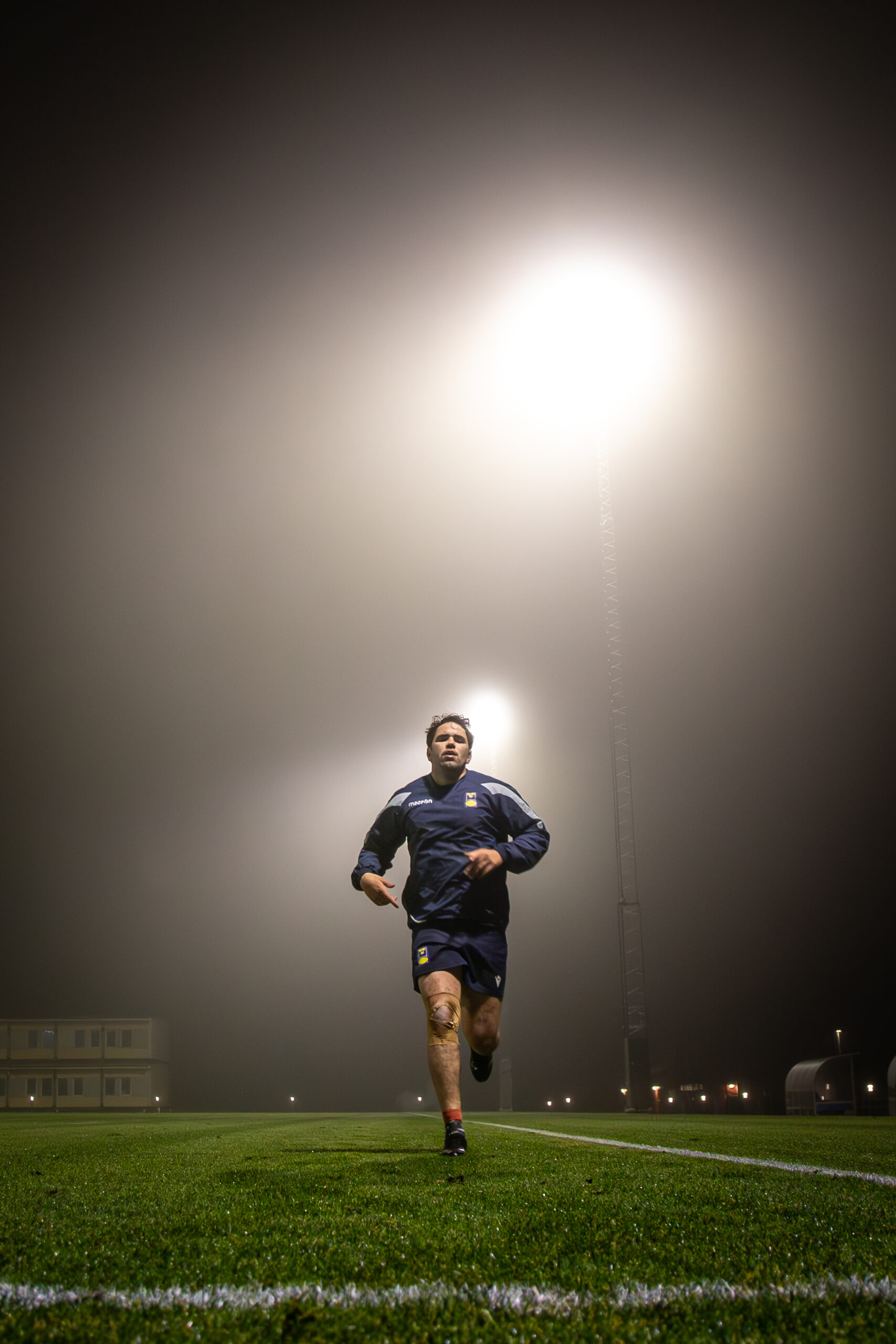
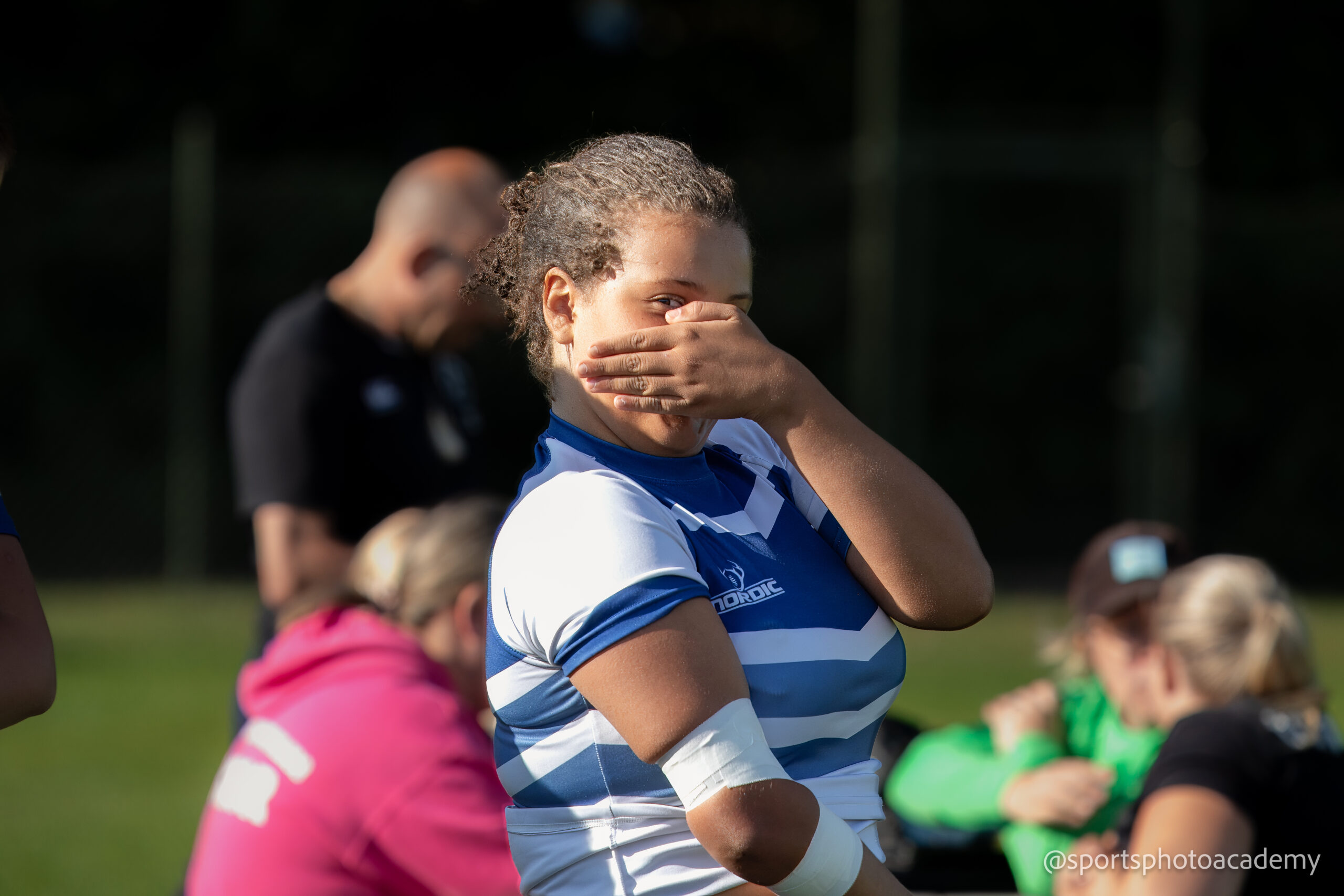
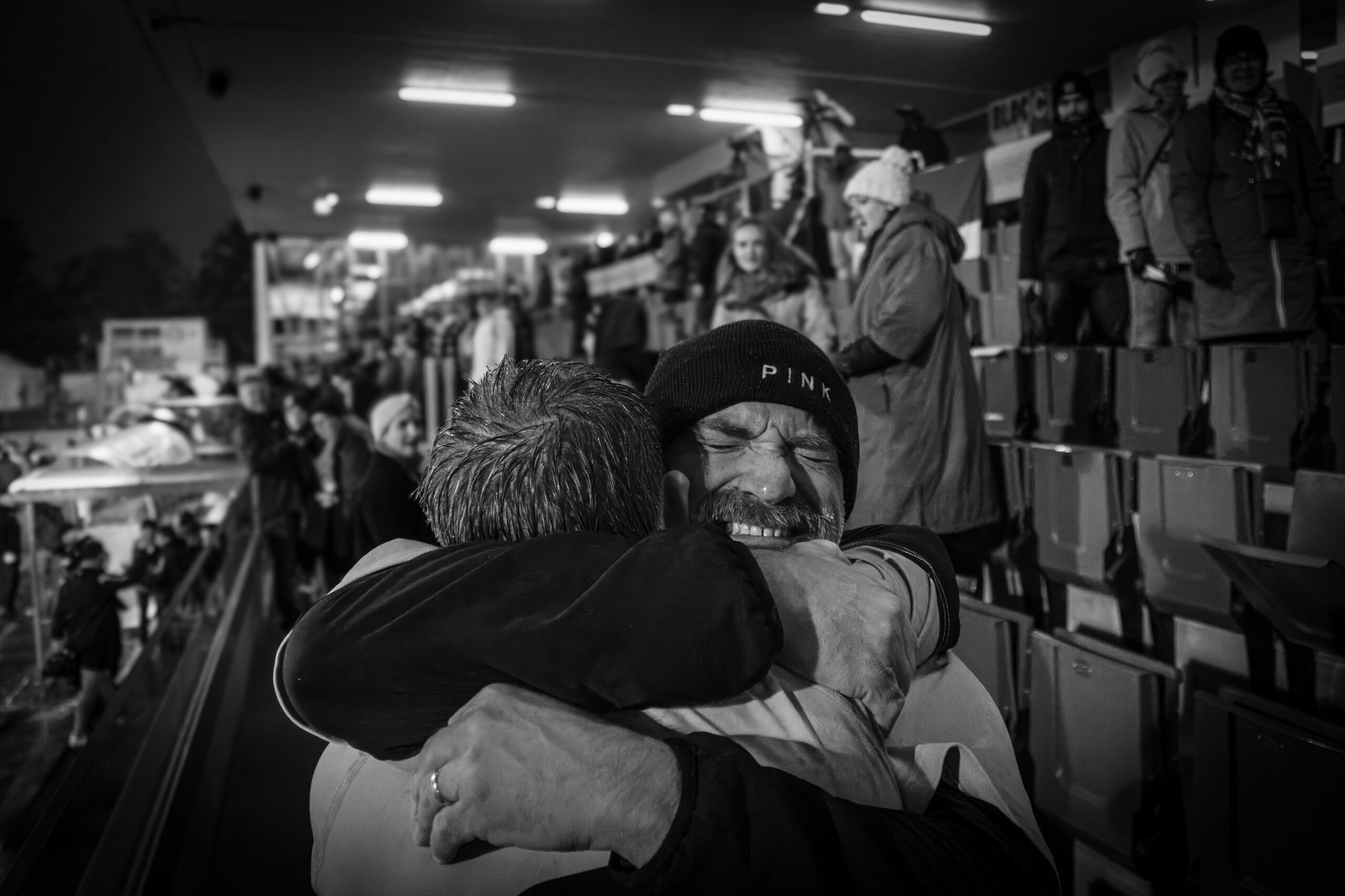
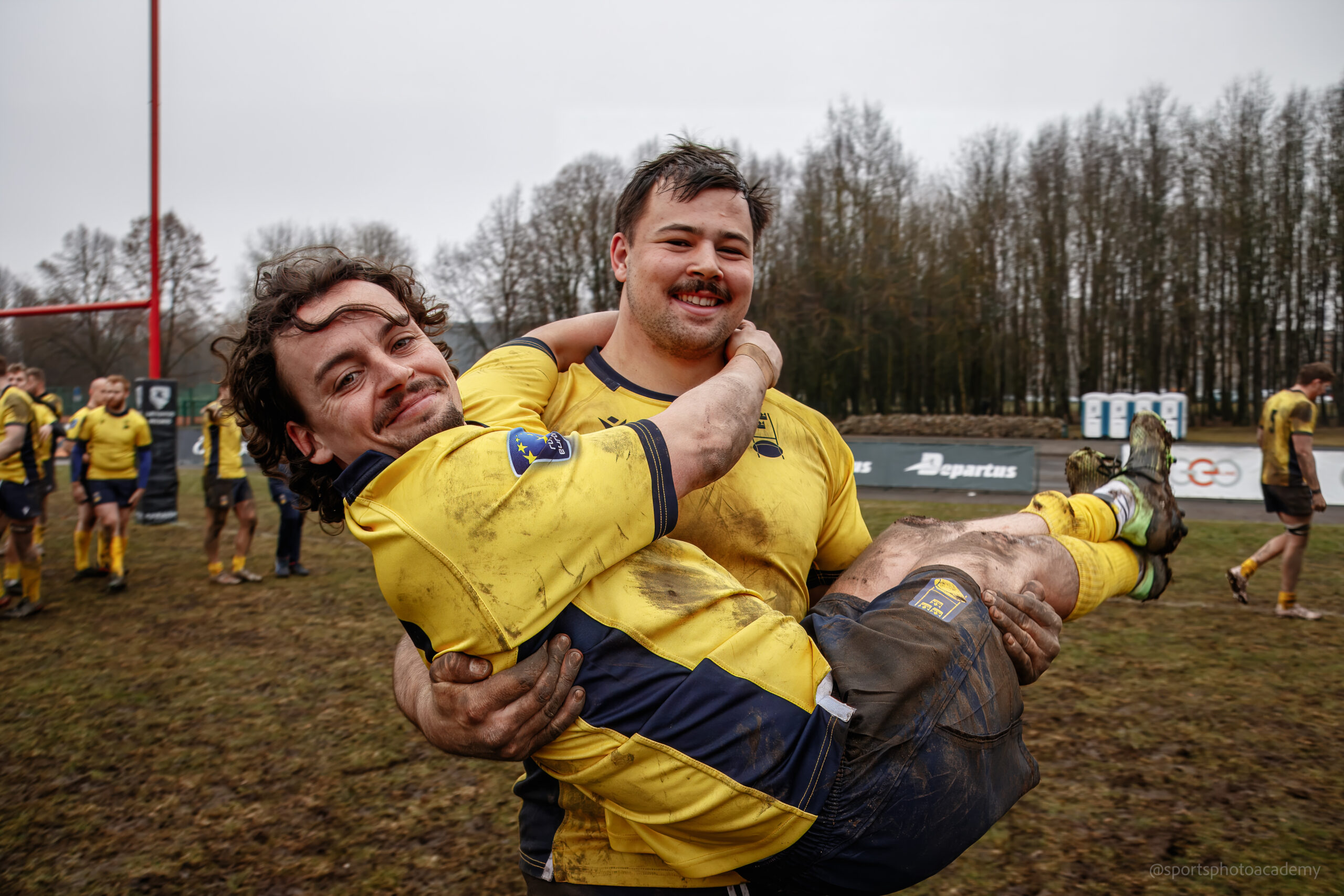
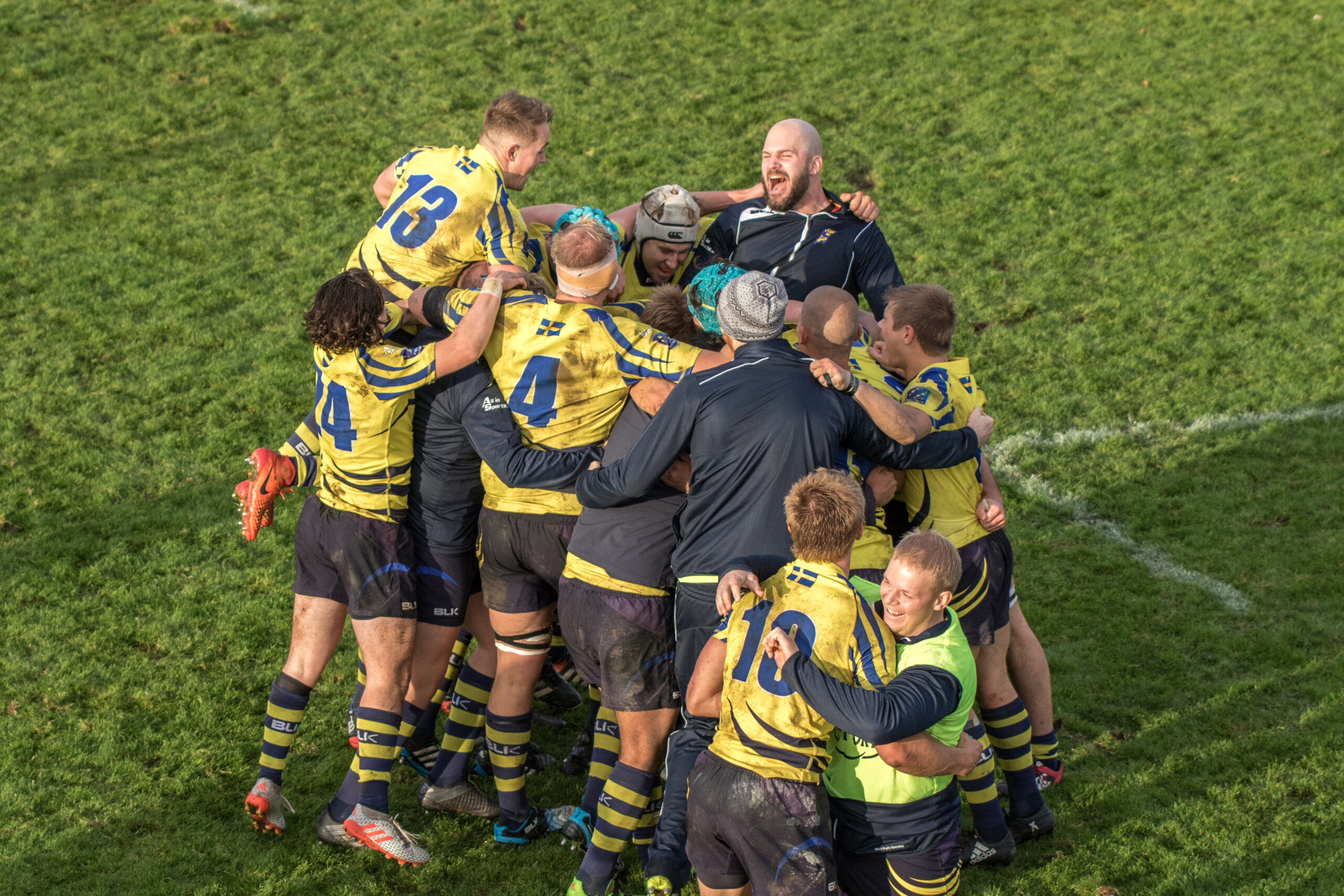
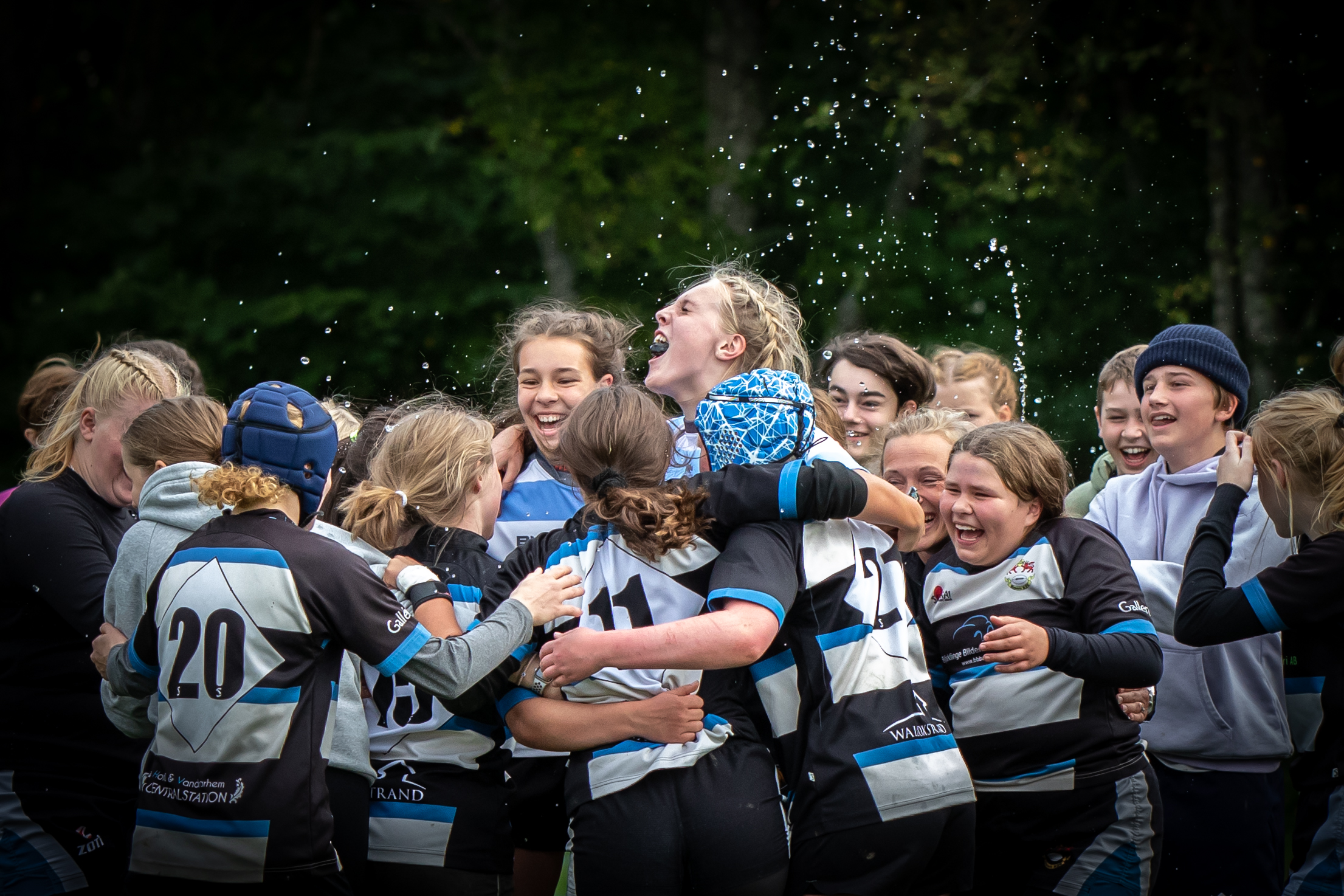
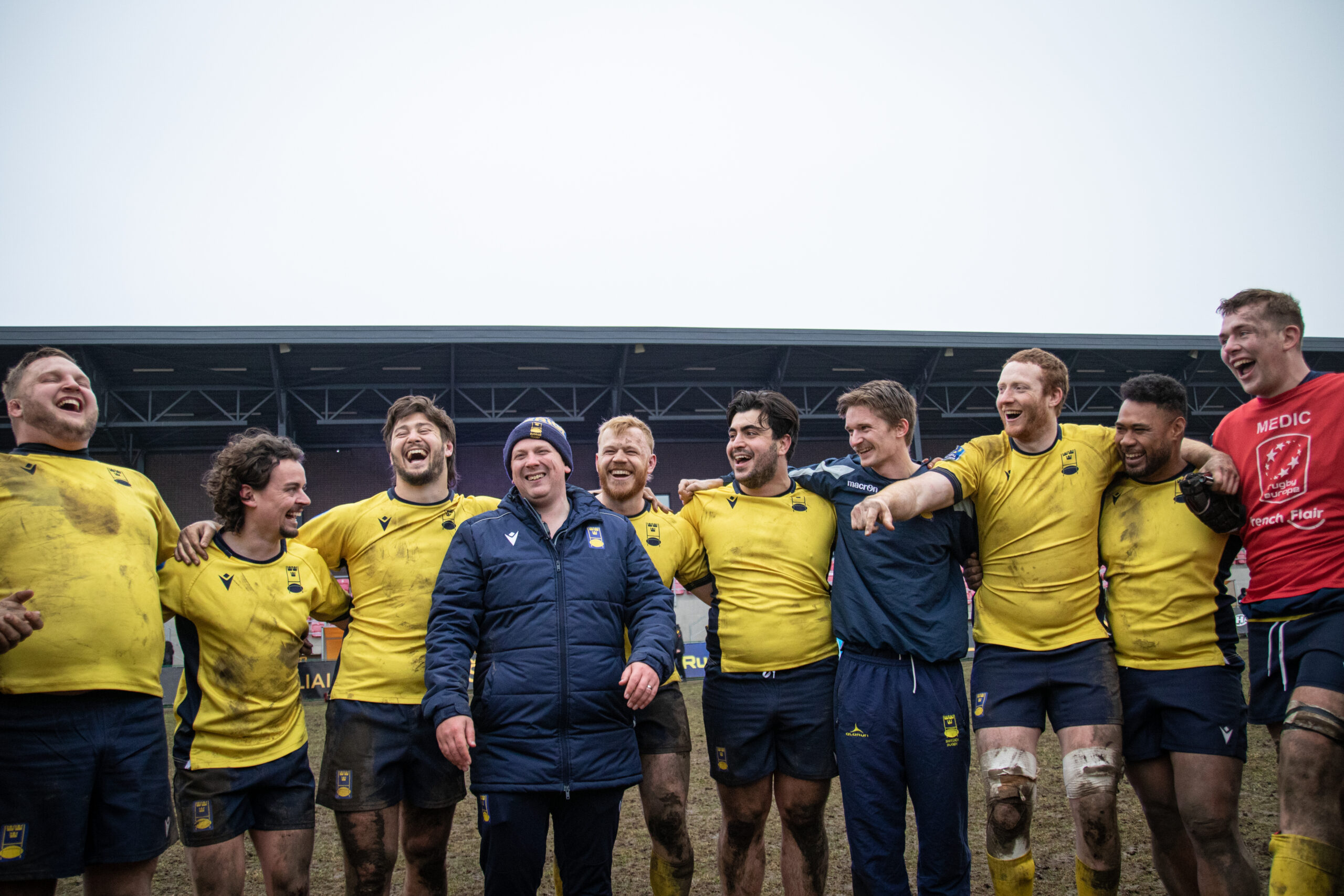
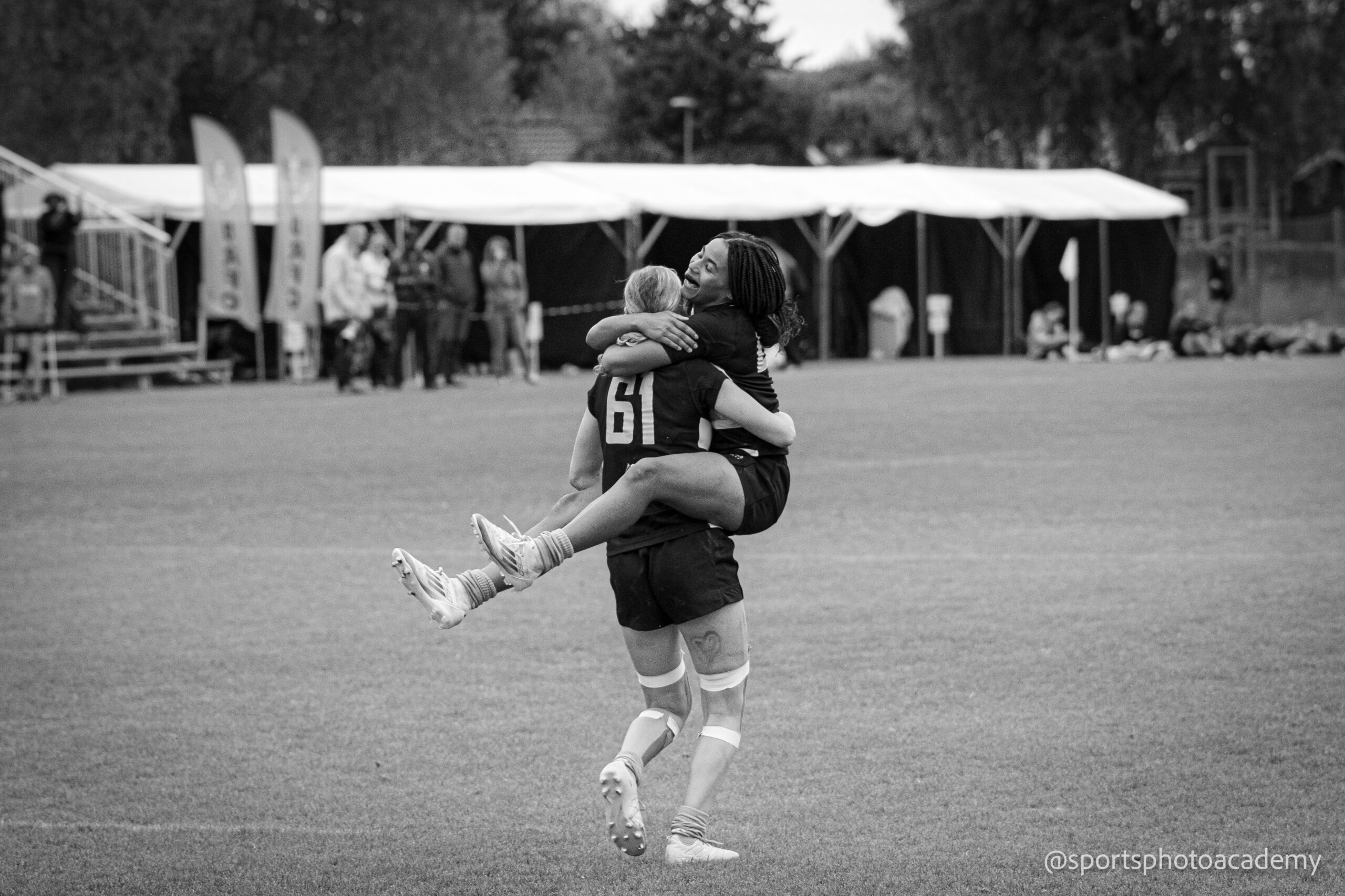
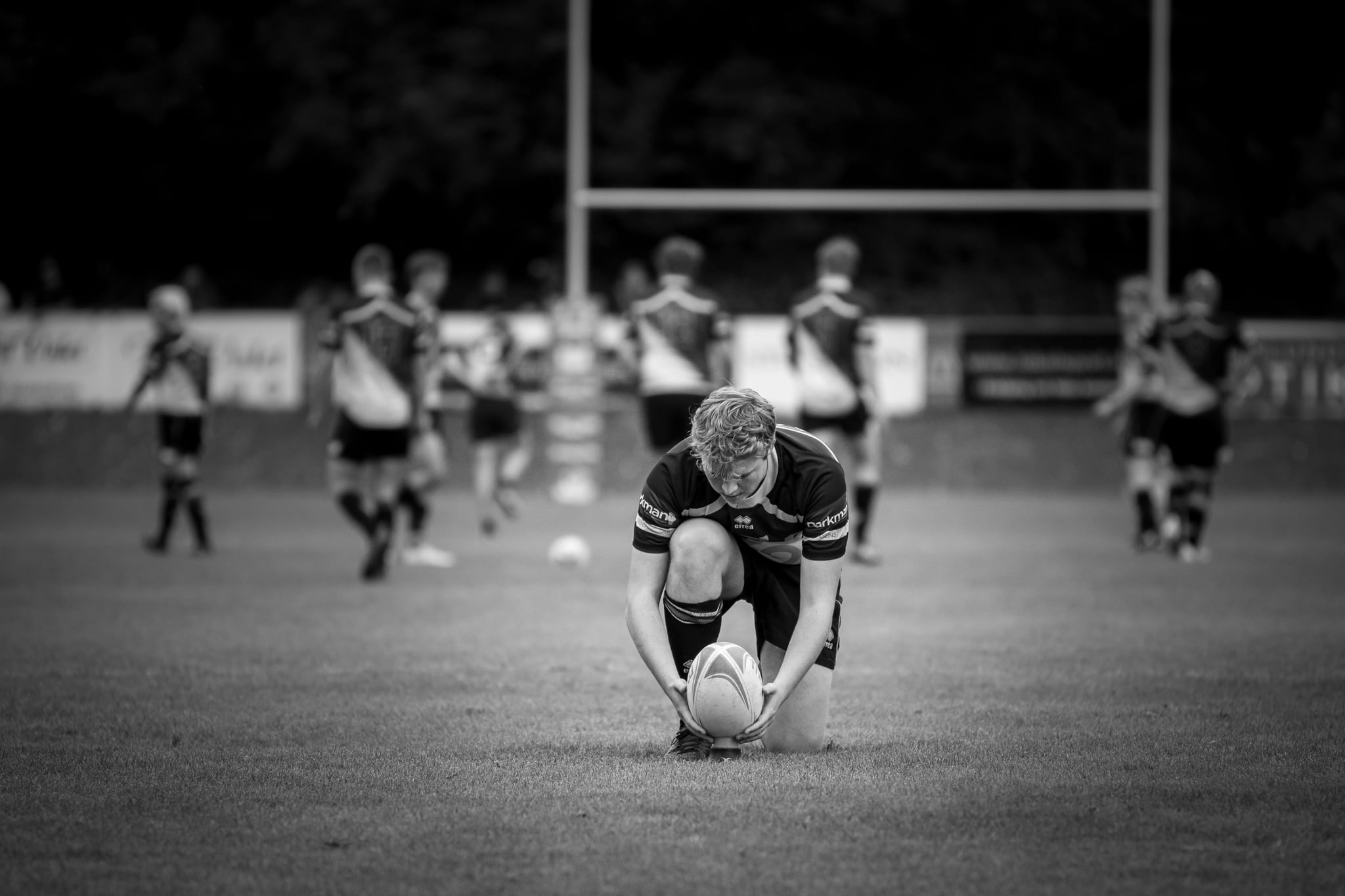
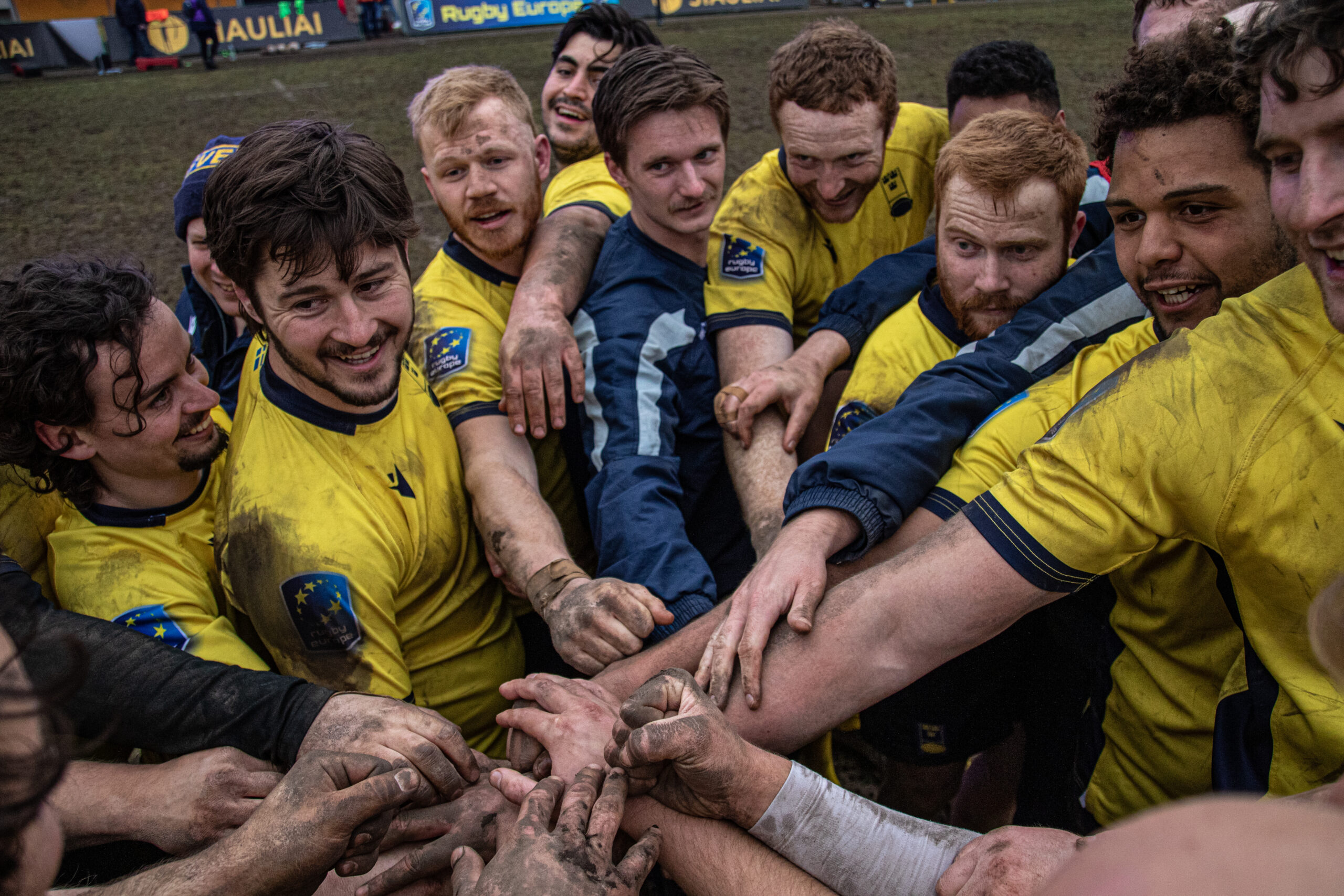
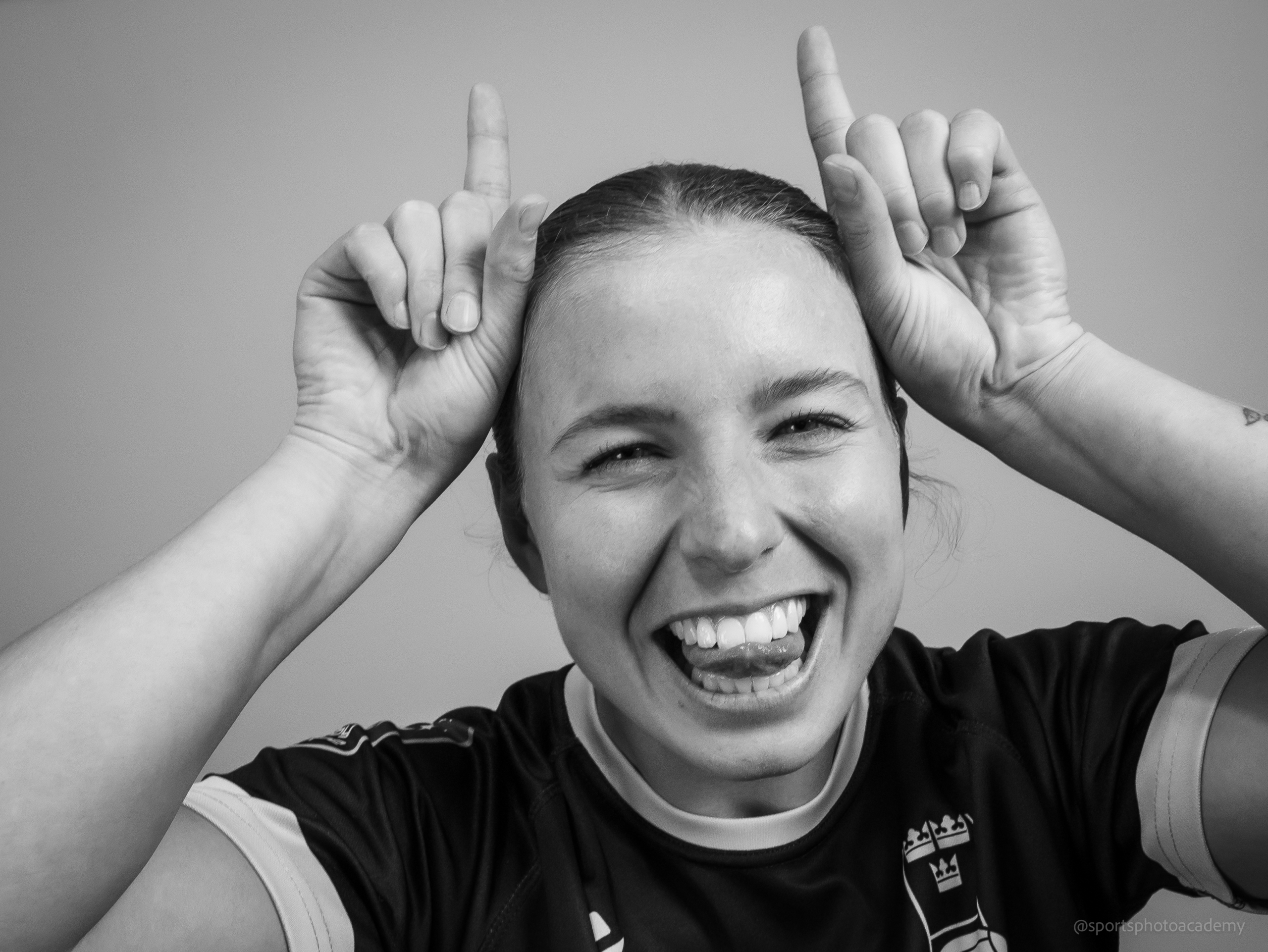
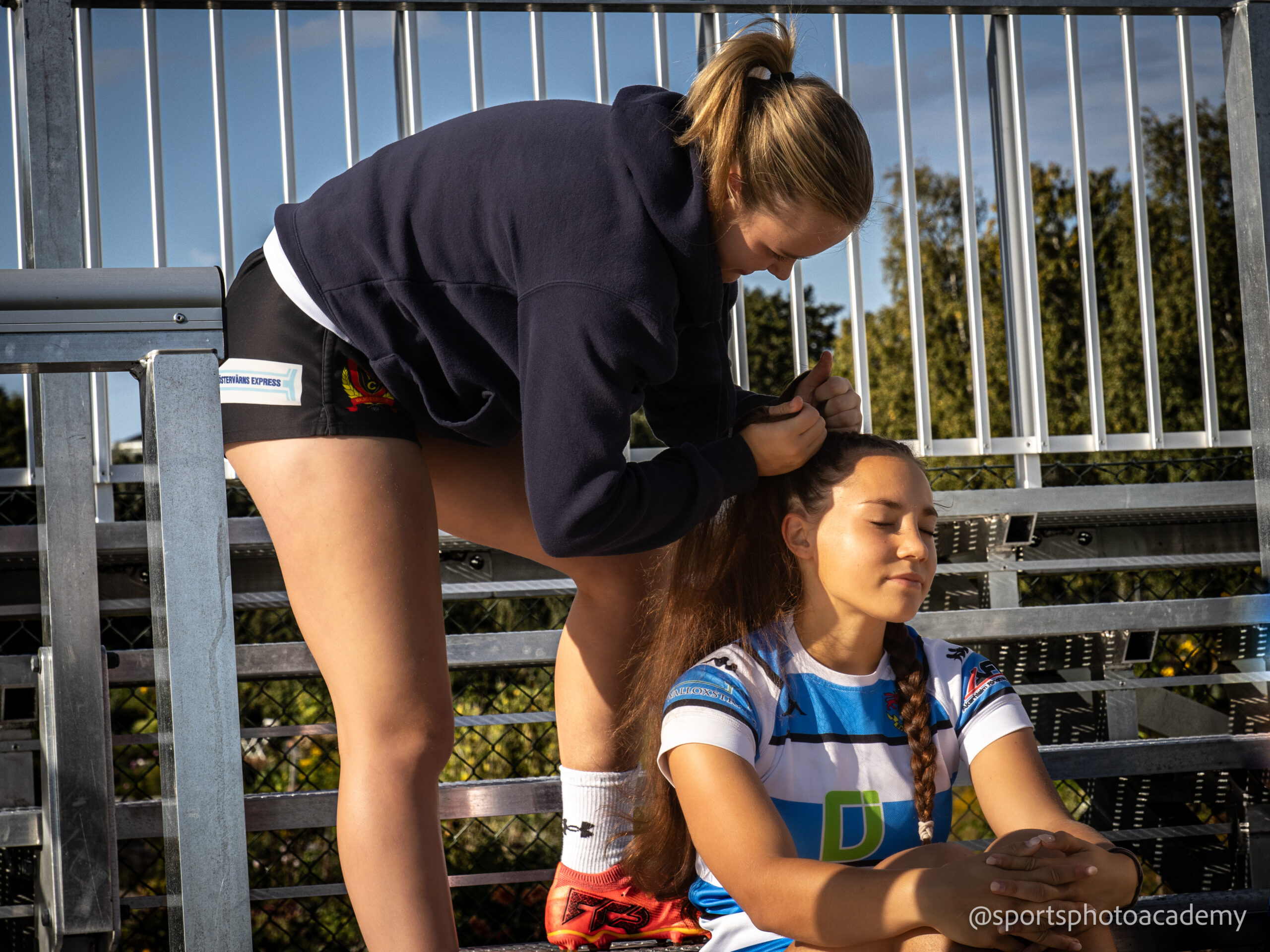
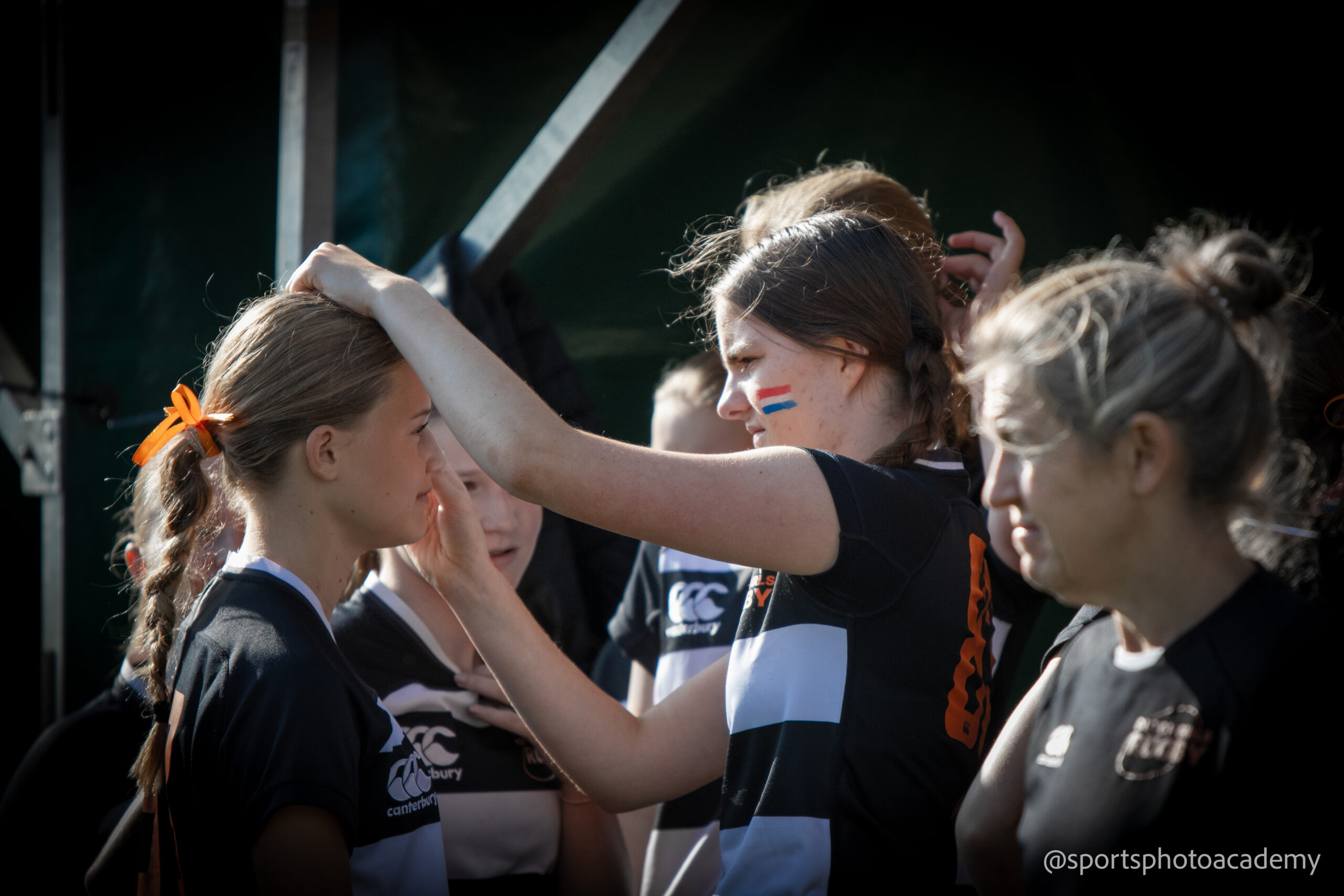
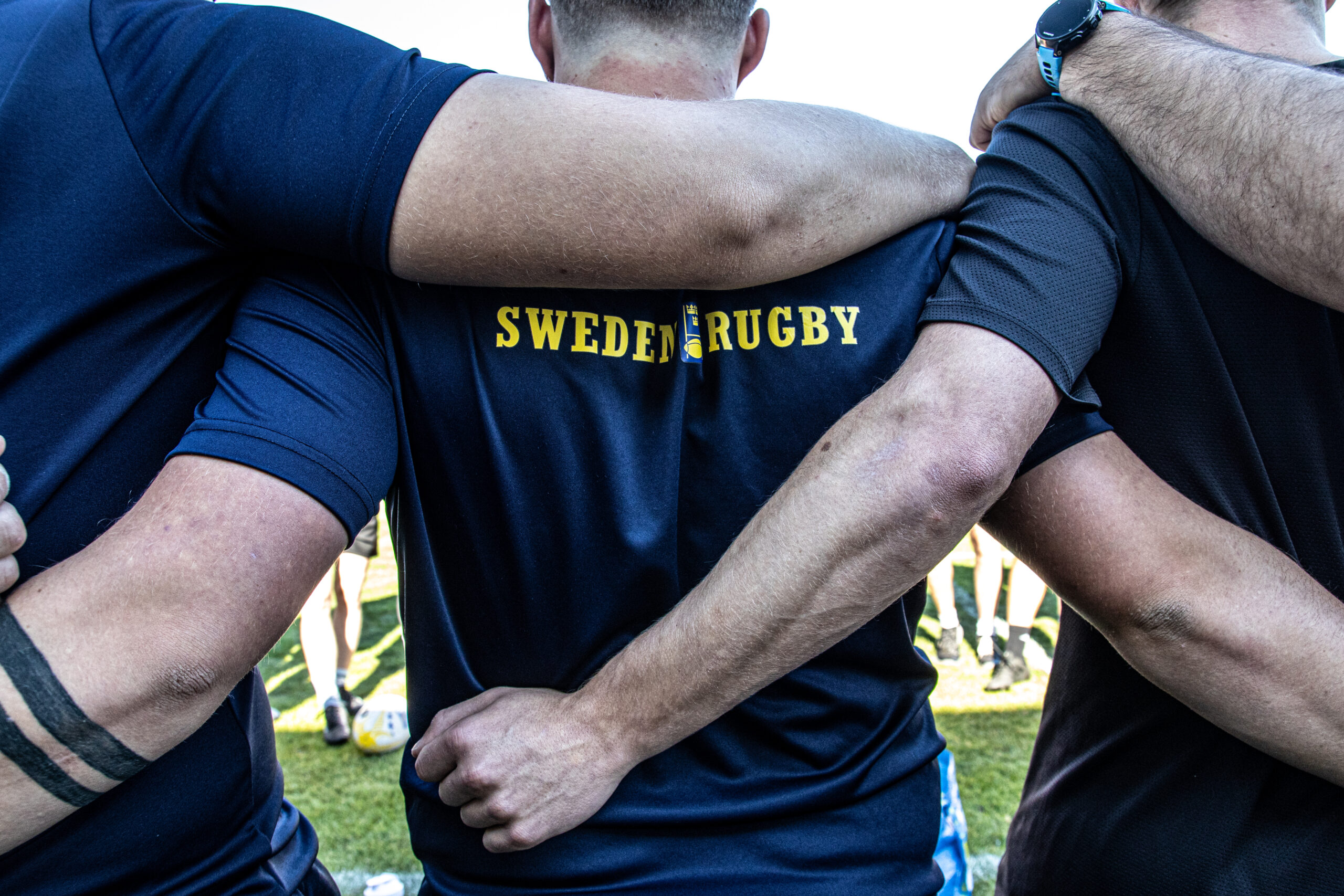
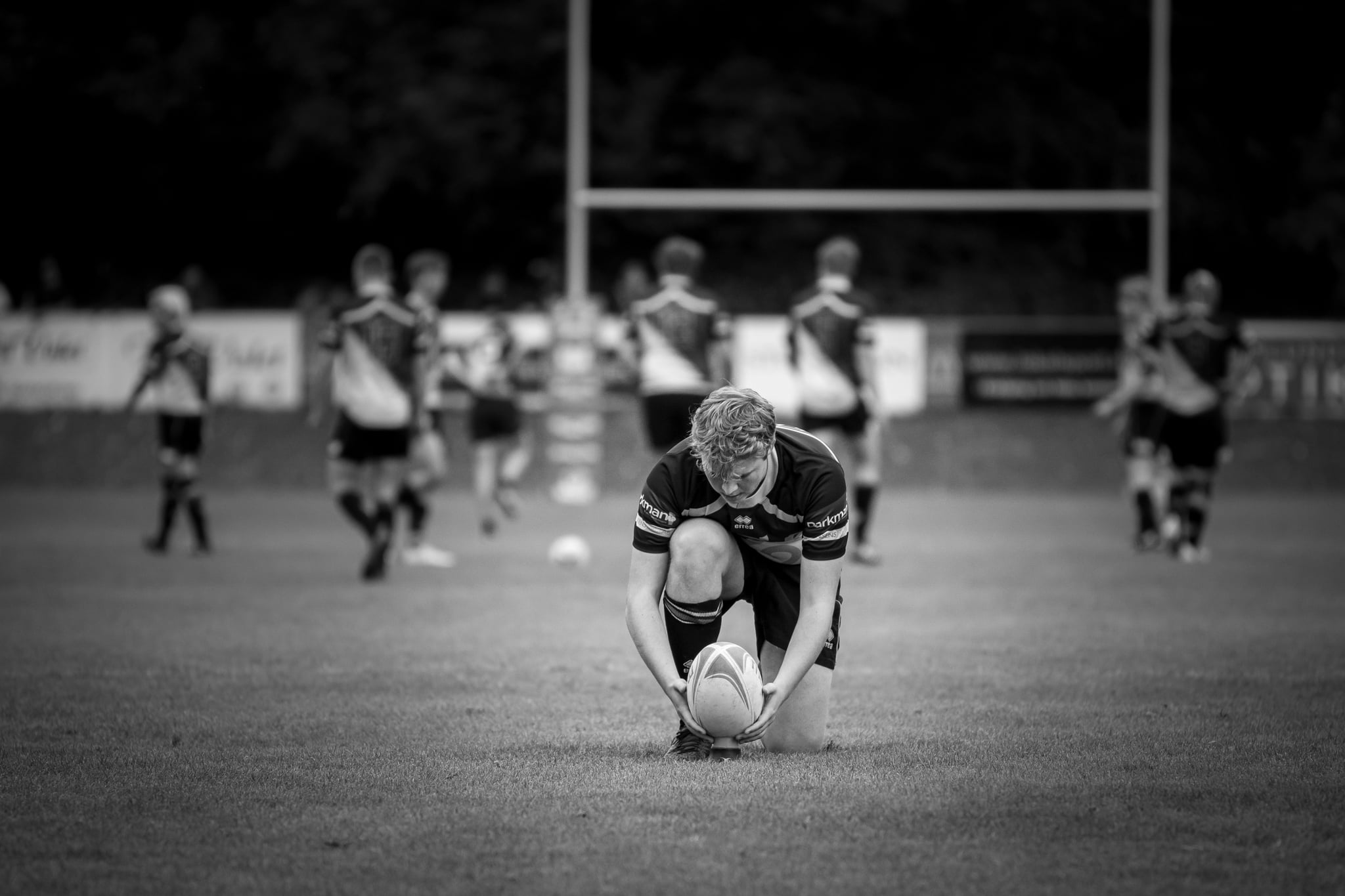
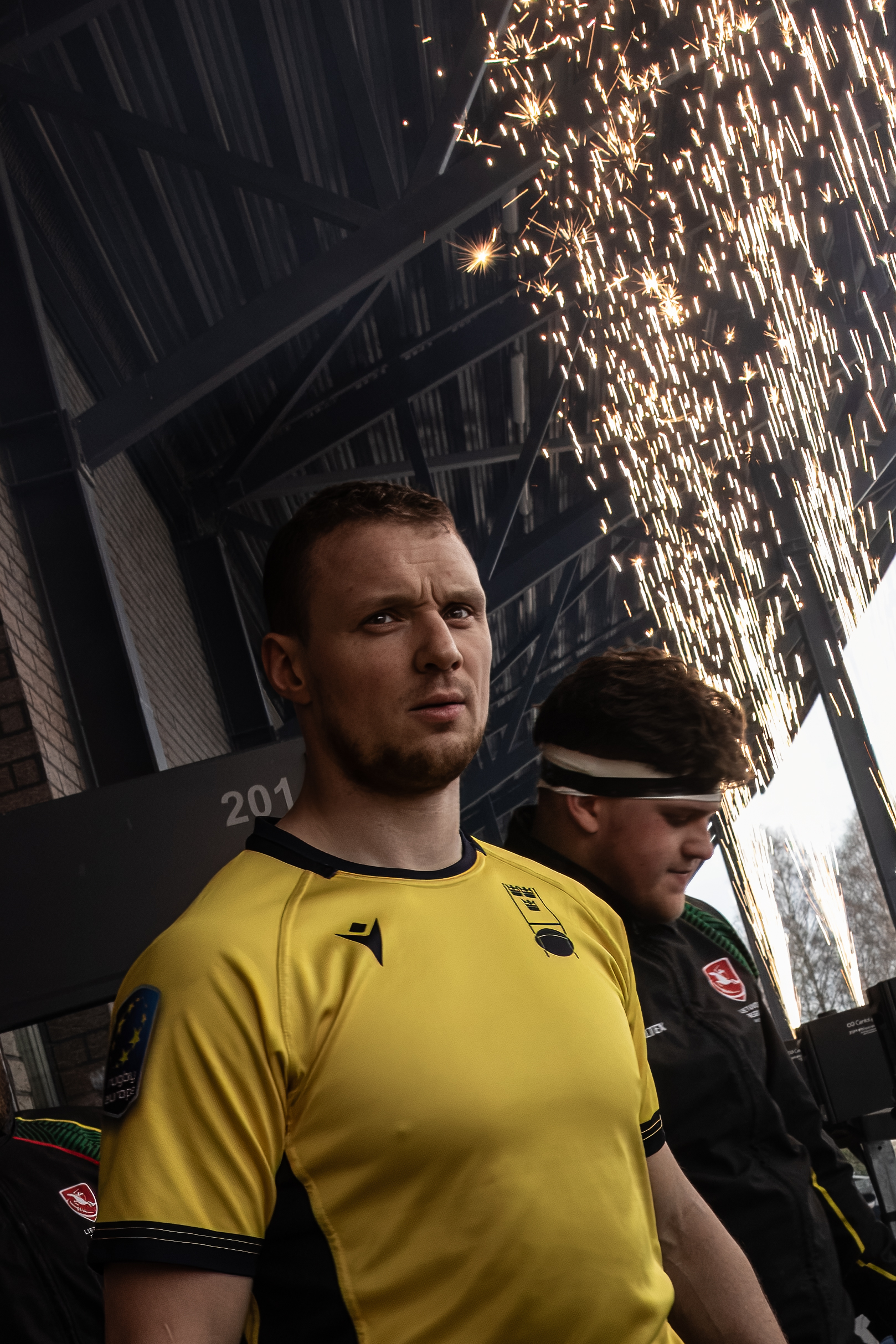
From capturing action — to capturing emotion. The face after the goal. The hands before the whistle. The moment nobody else thought to photograph.

From single shots that live in isolation — to sequences and stories that make people feel something when they see them.

From frustration at the sideline — to confidence behind the camera. The kind that comes not from better gear, but from knowing what you’re looking for.
The SPA approach

Seeing comes before shooting.

Most photography education teaches you about cameras. Settings. Gear. Technical specs you’ll spend months trying to memorize.

Sports Photo Academy teaches something different: how to see.

How to read a game and anticipate what’s about to happen. How to find the story in a single face rather than a frozen ball. How to stand in the right place at the right moment — not because you got lucky, but because you knew to be there.

The camera is a tool. Seeing is the skill. And seeing is something anyone can learn.

01

Better positioning beats expensive equipment

Three steps to the left can change the background, the angle and the story. No new lens required.

02

Anticipation beats reaction speed

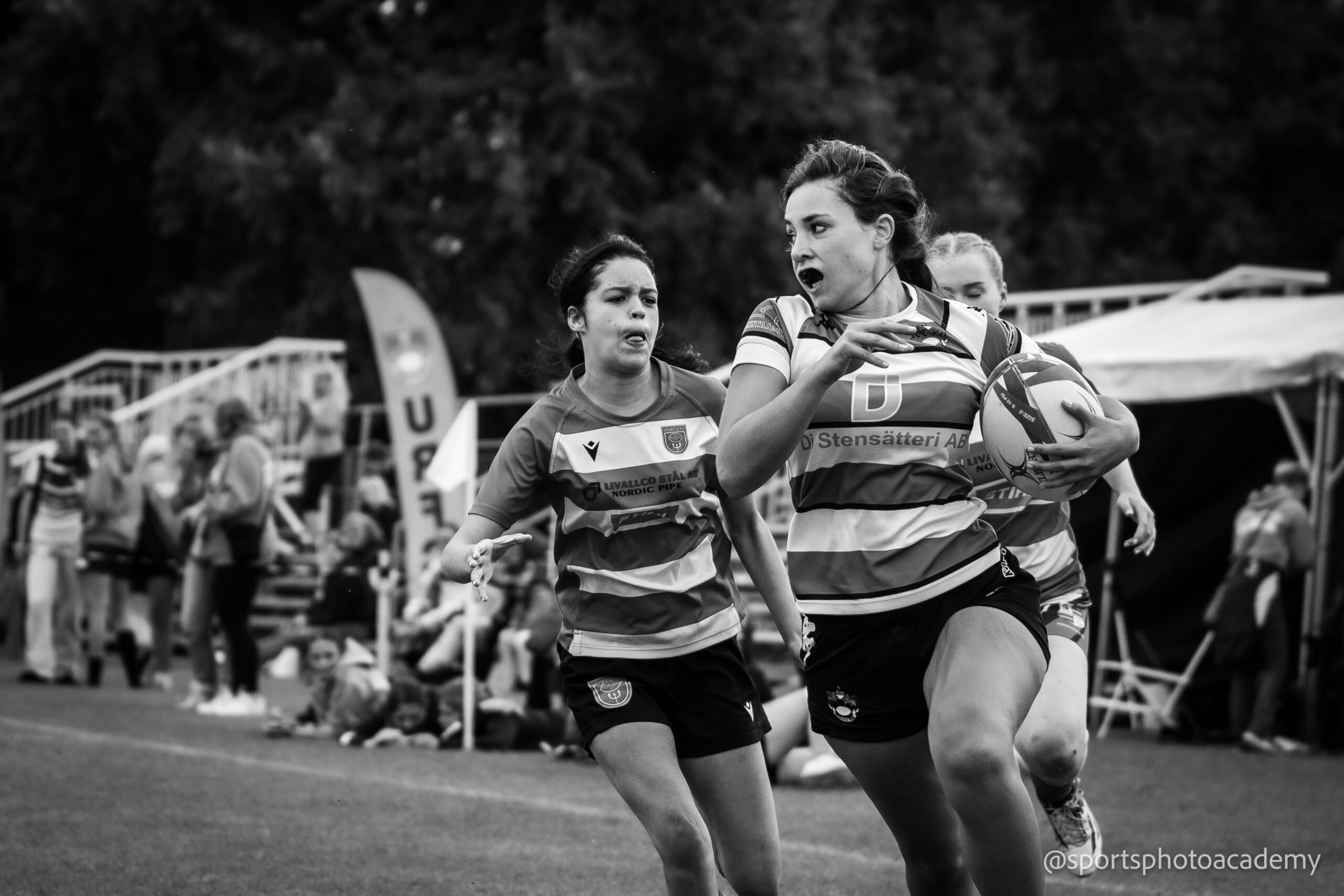
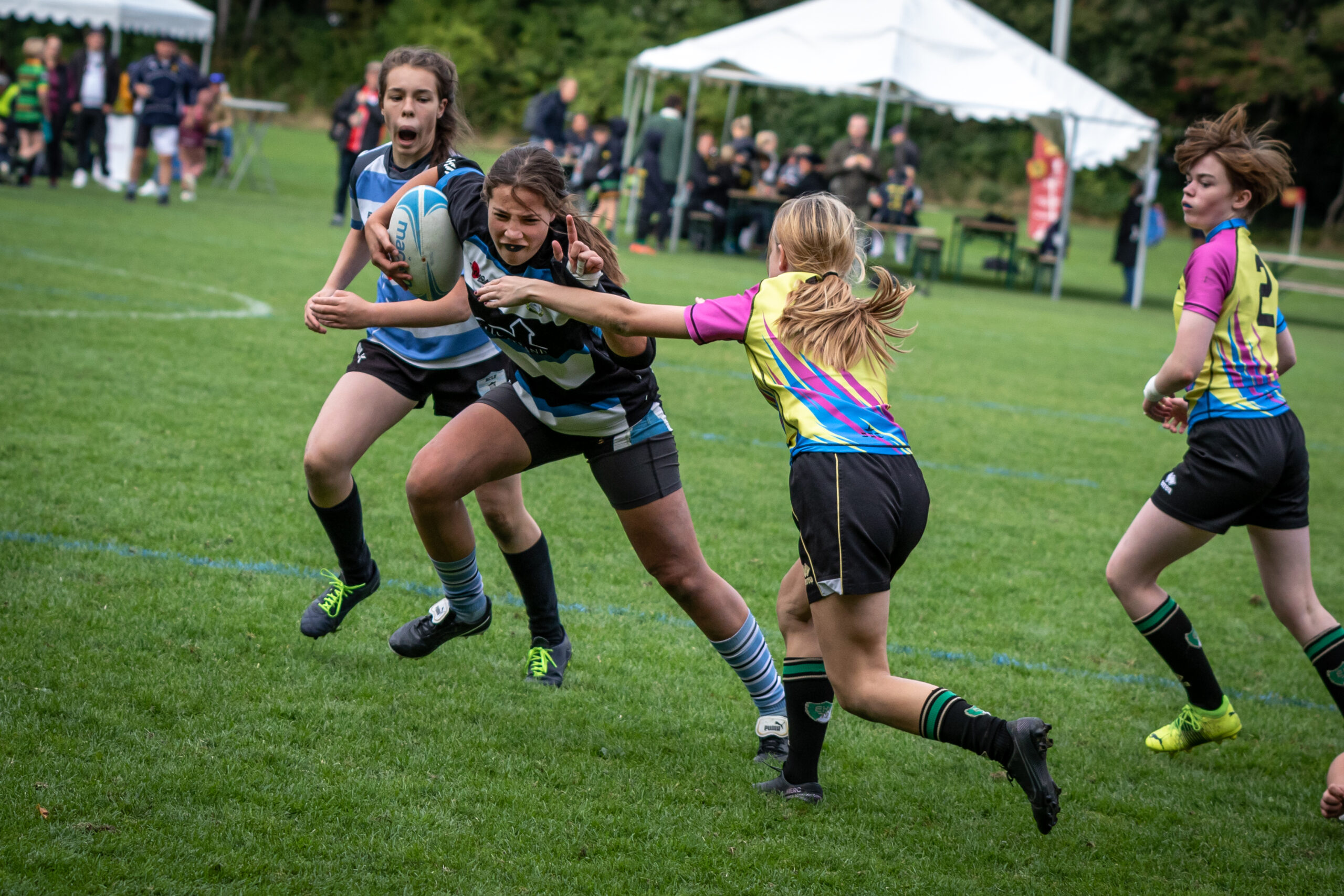
Beginners chase the ball. Better photographers watch what's about to happen — and are already there.

03

Emotions beat action

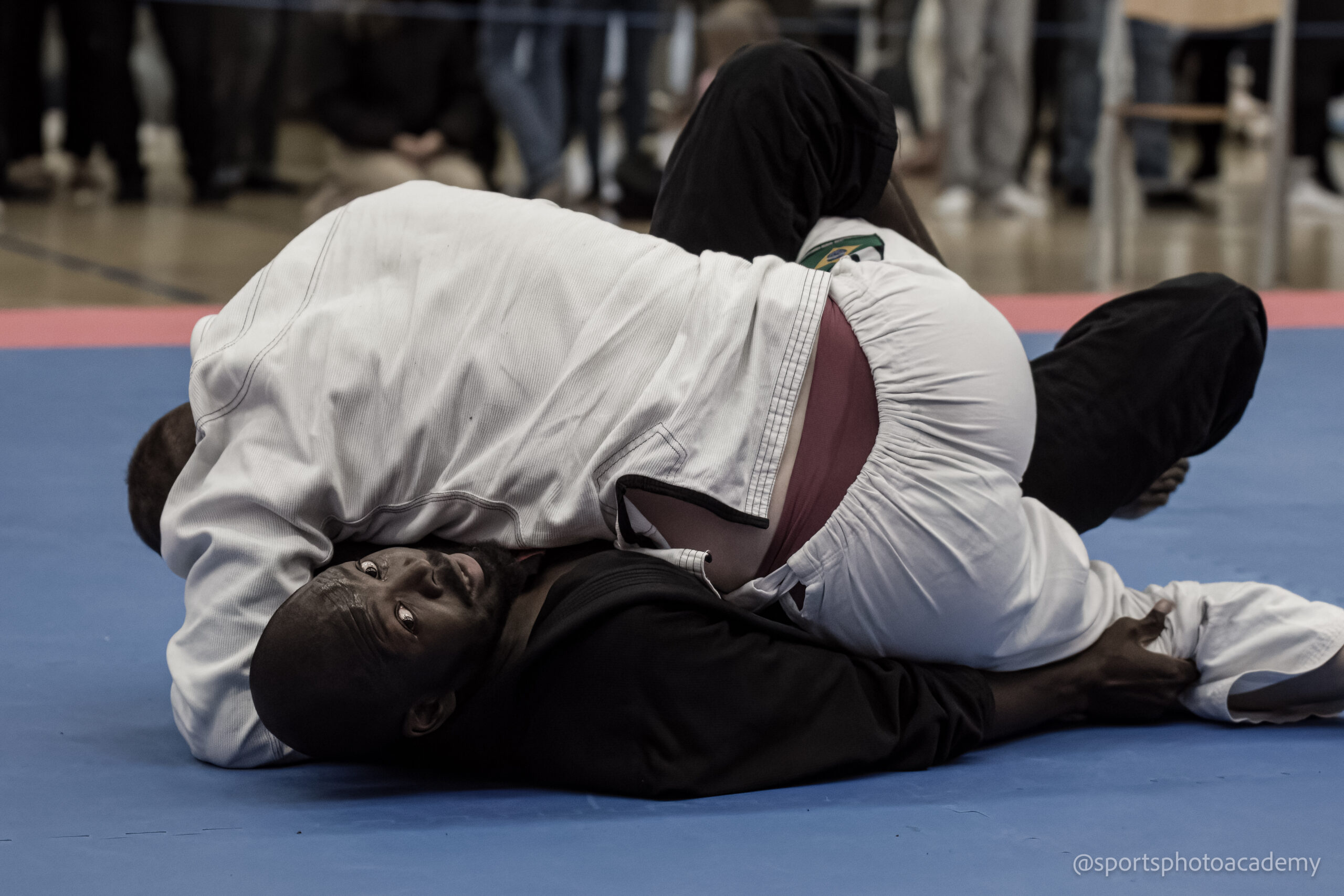
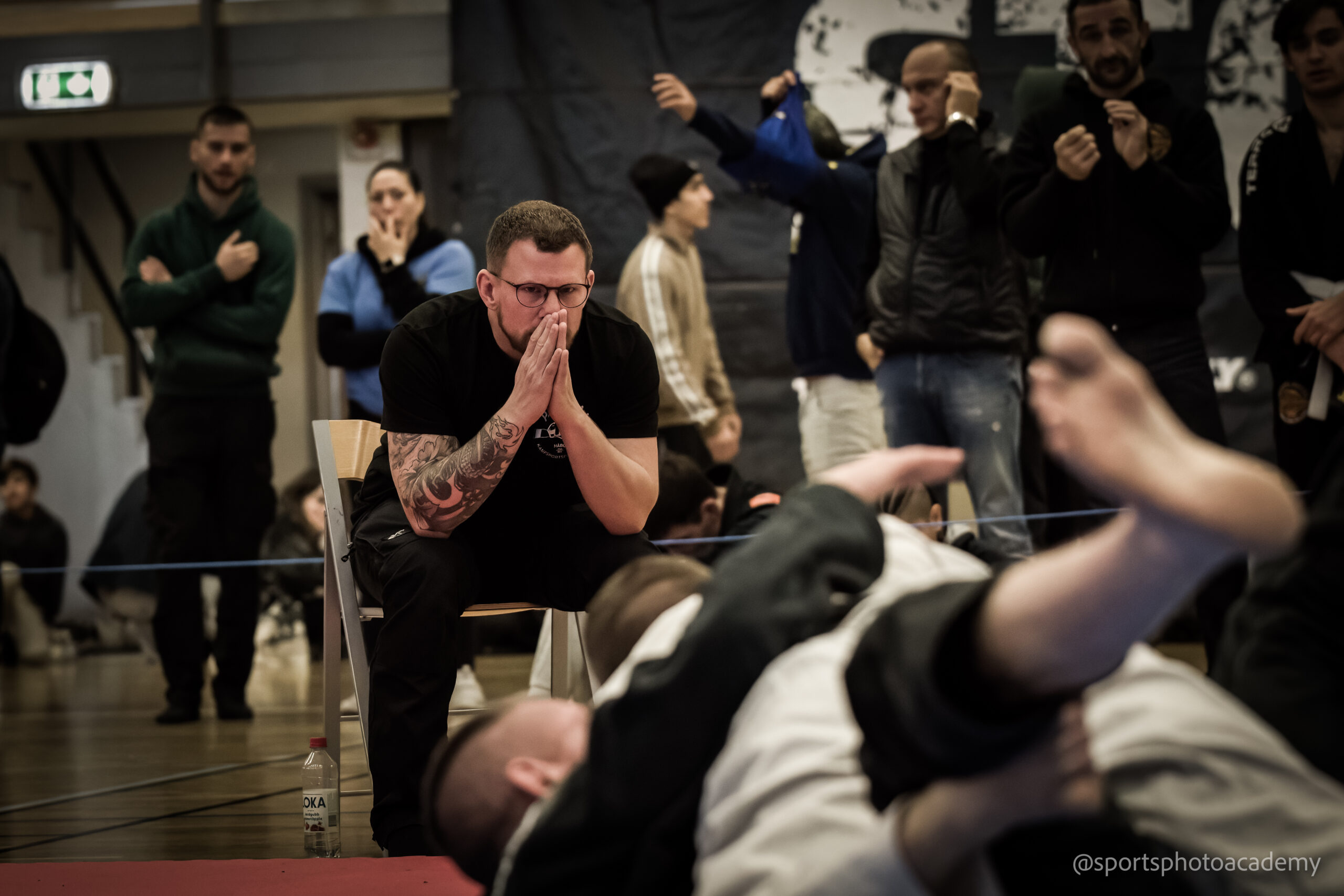
Faces tell the story. The moment after the whistle matters more than the moment before.

Coming soon

The full Sports Photo Academy course is on its way.

A complete learning experience: structured lessons, real exercises, community and feedback. If you want to know when the doors open, subscribe to the newsletter — that's where you'll hear it first.

Secure your spot on the waiting list →
Start here

A free guide to get you started at your next game.

Free PDF guide

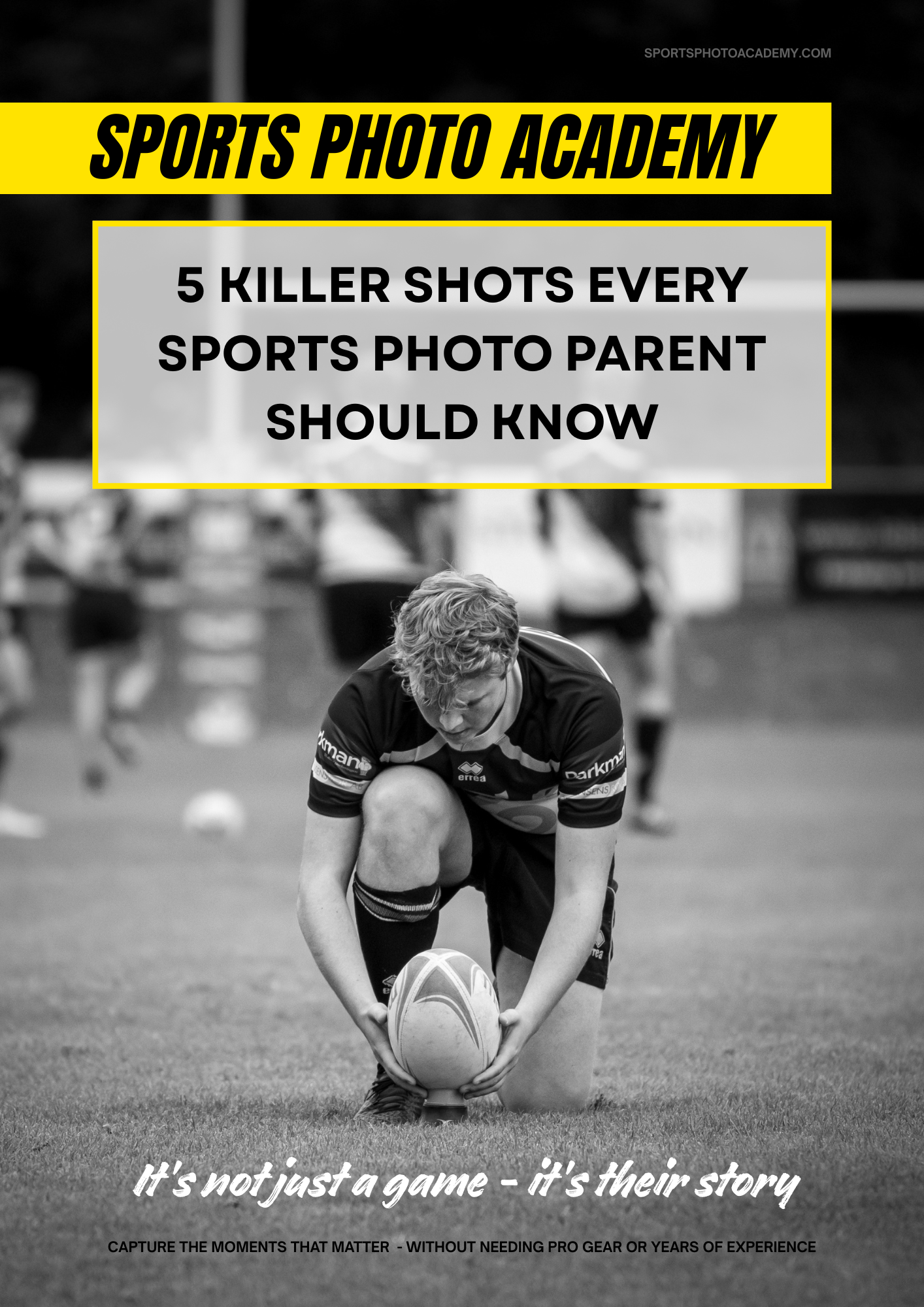
5 Killer Shots Every Sports Photo Parent Should Know

Five specific types of shots that shift how you see sports photography — no complicated settings, no expensive gear. Just smart, creative ideas you can try at your next game.

  • The one shot that captures emotion instead of just action — and why it tells a better story
  • How to get closer to the moment without moving your feet (and when to actually move them)
  • The "before and after" approach that turns a game into a story in three images
  • What to look for when the ball isn't in play — where the real moments live
  • How to photograph one player and end up with something more powerful than any crowd shot
Get the free guide →

Free PDF. Instant download. No credit card required.

NEWSLETTER

Get more for free.

Subscribe to the free SPA newsletter and get more on seeing, storytelling and the craft of sports photography. Ideas and challenges that make you a better photographer shot by shot.

No spam. Unsubscribe anytime.

FOUNDER, SPORTS PHOTO ACADEMY

Gunnar Mattiasson

I’m not a professional sports photographer. I’ve spent years on sidelines, in stands and around arenas — photographing the sports I love and the people who play them. I’ve made every beginner mistake. I’ve missed moments I really wanted. I’ve spent time blaming my camera before I figured out that was the wrong question.

“I learned most of what I know the hard way. Sports Photo Academy is my attempt to help you see it earlier.”

SPA exists because most sports photography education teaches cameras, not seeing.

I wanted something different — practical, honest and focused on what actually makes a difference: knowing what to look for, where to stand, and what’s about to happen before it does.

Your best shot is yet to come.